Dreaming of a safari adventure in South Africa? Kruger National Park is one of Africa’s most iconic wildlife destinations, and timing your visit correctly can make all the difference. As a matter of fact, whether you’re hoping to spot the Big Five, enjoy comfortable weather, or avoid crowds. However, this guide will help you plan the perfect Kruger getaway.
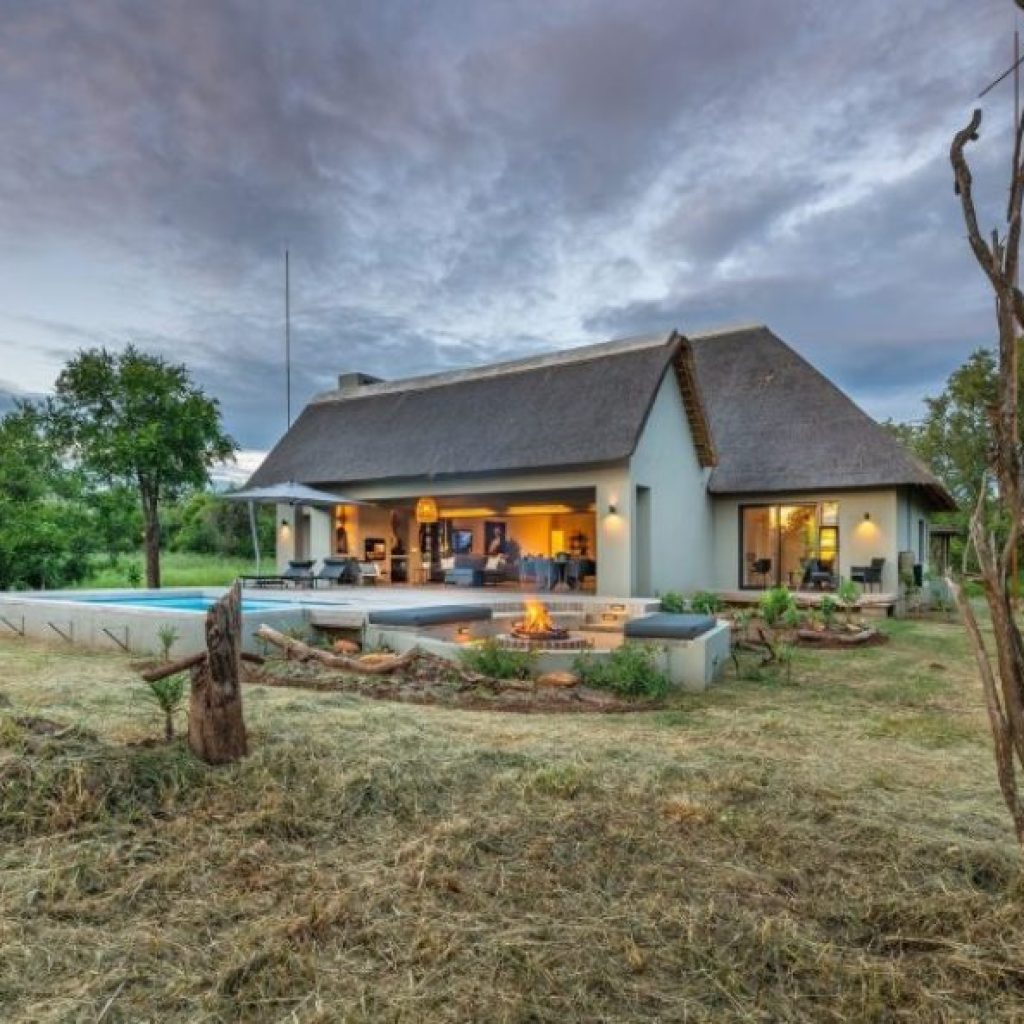
Firstly, Kruger National Park spans nearly 20,000 square kilometers. At the same time, experiences distinct seasonal changes that dramatically affect wildlife viewing. Weather conditions, and overall experience, unlike some destinations where any time works fine. Your Kruger adventure will be vastly different depending on when you visit.
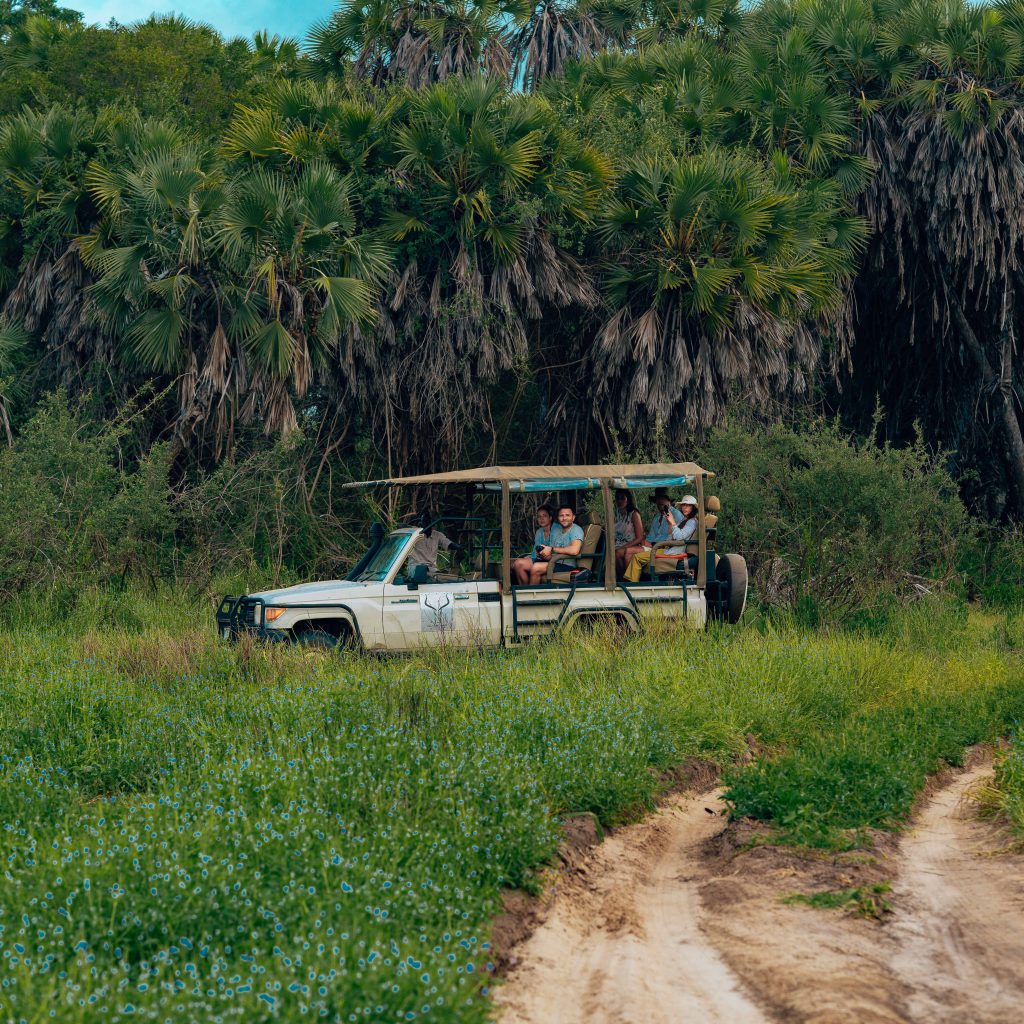
Secondly, from lush green landscapes to sparse vegetation, from sweltering heat to cool nights, Kruger’s seasonal variations create different opportunities and challenges throughout the year. At this point, let’s break down what each season offers.
Weather: Cool to warm days (20-25°C / 68-77°F), cool nights, minimal rainfall
Crowds: Highest visitor numbers
Wildlife Viewing: Excellent
Best For: First-time visitors, wildlife photography, birdwatching
Why Visit in Dry Season:
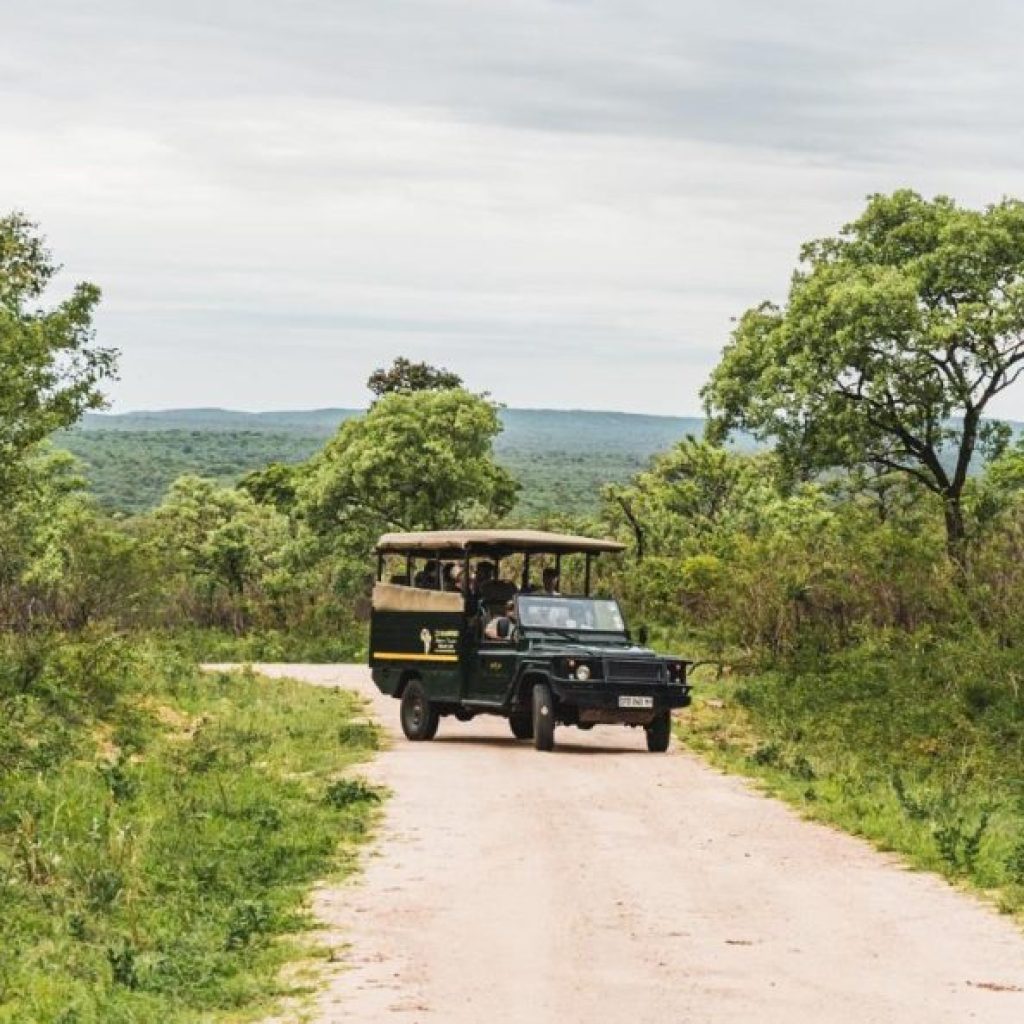
Thirdly, the best time to visit the Kruger is the dry season. With minimal rainfall, animals concentrate around water sources, making them easier to spot. The vegetation is sparse, providing clear sightlines for game viewing. Furthermore, early mornings and late afternoons offer perfect photography light, with warm golden tones and stunning contrast.
May to June brings the most comfortable weather, cool days (around 20°C) and cold nights that make you grateful for a cozy lodge or comfortable accommodation. Be that as it may, this is ideal for outdoor activities without the intense summer heat.
July to August remains excellent for wildlife viewing but gets busier with school holidays. Daytime temperatures rise slightly (22-25°C), and accommodation prices peak during these months.
Identically, September marks the end of winter. Temperatures climb, vegetation begins to green up, and water sources become more abundant. Likewise, crowds start to thin out as families return to school, making it a sweet spot for a quieter safari.
Downside: Accommodation is pricier, roads are busier, and you’ll share game sightings with other vehicles. However, this is not the time to experience Kruger in solitude.
Weather: Warm to hot days (25-35°C / 77-95°F), scattered afternoon rains begin
Crowds: Moderate, fewer than peak season
Wildlife Viewing: Excellent
Best For: Budget-conscious travelers, photographers, adventurous visitors
Why Visit in October-November:
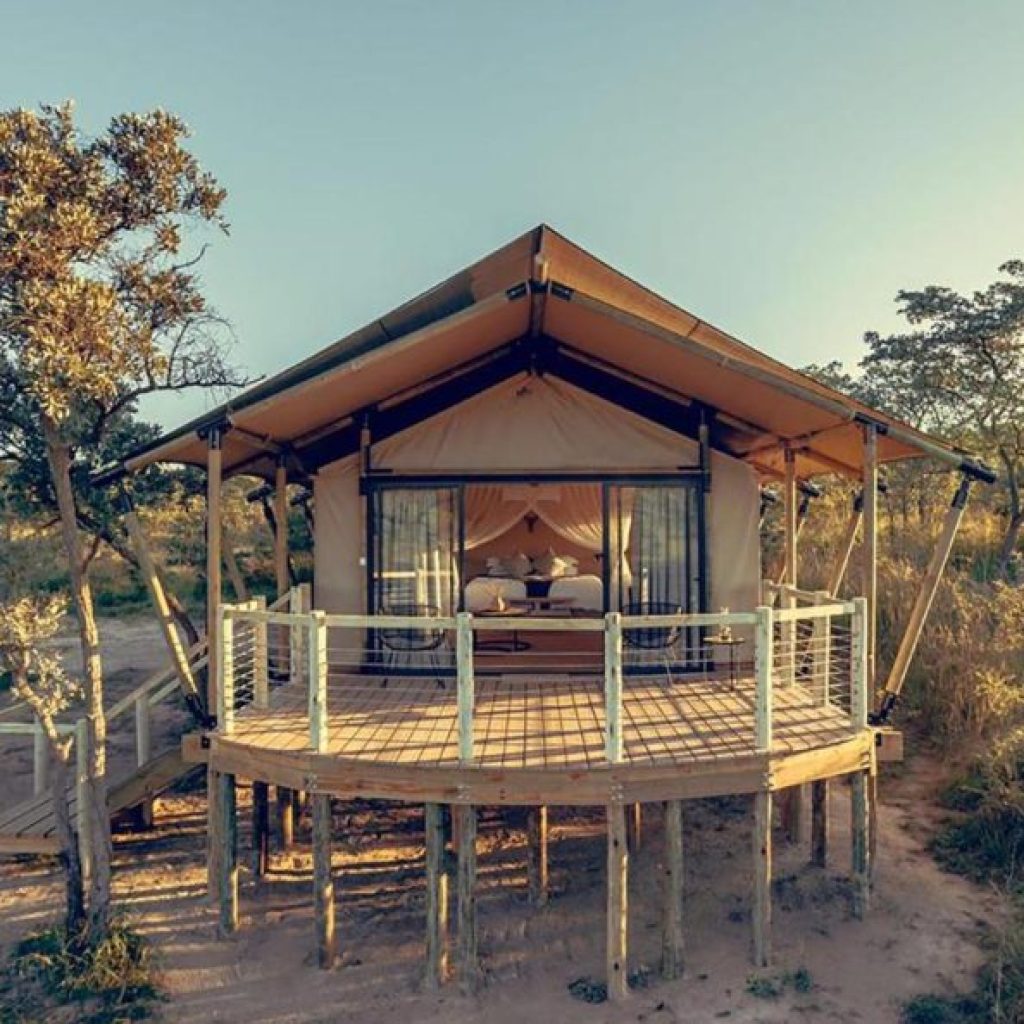
Being that, many travelers overlook October and November, but these months offer exceptional value and wildlife viewing. Furthermore, as temperatures rise and occasional rains begin, animals become more active. Water becomes more dispersed, so wildlife spreads out, but experienced guides know exactly where to find them.
This period falls between peak season and the green season, offering fewer tourists without the drawbacks of the rainy months. Nevertheless, in May-September accommodation rates falls drastically.
At this time, the landscape is transitioning from dry to green, creating stunning photographic opportunities with dramatic skies and lush vegetation beginning to appear. Bird watching is mainly in October. As ca be seen, migratory species return, creating a birder’s paradise.
Downside: November is very hot. Possibility of thunderstorms as well.
Weather: Warm to hot (25-35°C / 77-95°F), frequent afternoon rains, higher humidity
Crowds: Lowest visitor numbers
Wildlife Viewing: Good (different species visible)
Best For: Budget travelers, birdwatchers, photographers, flexible visitors, nature lovers
Why Visit in Green Season:
Best time to vist Kruger is December to April during the rain season. Yes, there’s more rainfall, but it typically comes in short afternoon bursts, not all-day downpours. The landscape transforms into a lush, green paradise.
Fourthly, the park becomes exceptionally photogenic with verdant vegetation, dramatic storm clouds, and gorgeous golden light.
Nonetheless, abundance of water and vegetation means wildlife spreads across a wider area.
Challenging for spotting the Big Five, but excellent for seeing smaller animals, insects, and plants most people miss.
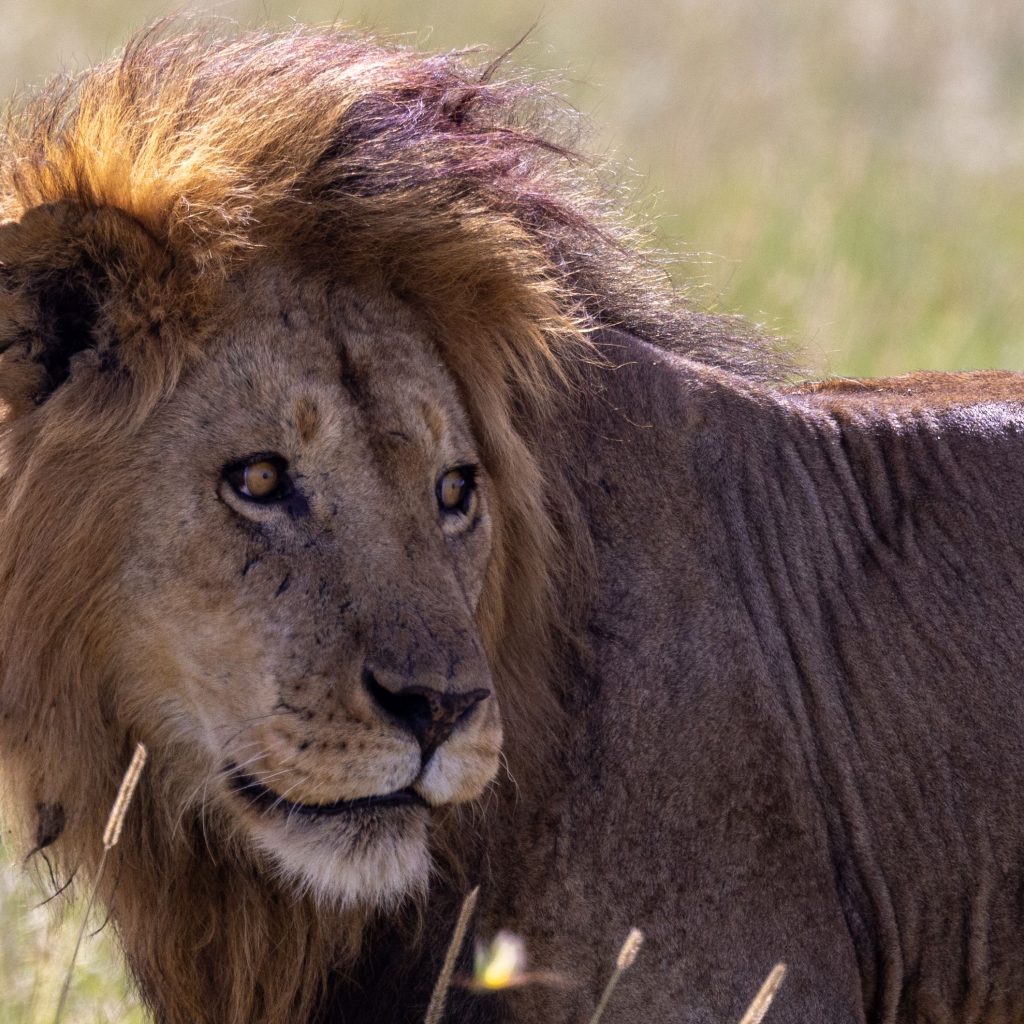
December to February experiences higher rainfall and humidity. New animals are born during this period. Albeit, offering chances to see young lions, elephants, and buffalo calves. Accommodation is at its cheapest, sometimes 50% less than peak season.
March to April is magical rains have passed, vegetation is at its greenest, and animals are well-fed and thriving. It’s still relatively quiet, with lower prices but increasingly crowded game drives.
The Hidden Secret: Many photographers and wildlife enthusiasts prefer the green season for its dramatic skies, stunning light, and lush landscapes. Notwithstanding, you’ll also encounter more bird species, over 500 bird species call Kruger home.
Downside: Heat and humidity can be intense. However, some unpaved roads may be challenging if there’s recent heavy rain. Malaria risk is slightly higher during warm, wet months (use prophylaxis).
| Month | Highlights | Weather | Crowds | Best For |
|---|---|---|---|---|
| January | New calves born, lush green landscape, Big Five present | Hot, humid, rainy | Low | Budget travelers, photographers, birdwatchers |
| February | Peak calving season, verdant scenery | Hot, humid, rainy | Low | Birdwatchers, flexible travelers |
| March | Rains decrease, animals well-fed, few tourists | Warm, some rain | Low-Moderate | Budget travelers, nature lovers |
| April | Beautiful green landscape, comfortable temps | Warm, minimal rain | Moderate | All travelers, transition month |
| May | Comfortable weather, clear skies, animals concentrate | Cool, dry | Moderate-High | First-timers, photographers |
| June | Coolest month, excellent wildlife viewing | Cool, dry | High | All travelers |
| July | Peak season, best reliability for Big Five | Cool-warm, dry | Very High | Big Five seekers, first-timers |
| August | School holidays, peak season, expensive | Cool-warm, dry | Very High | First-timers (plan ahead) |
| September | Excellent viewing, prices drop, still dry | Warm, dry | Moderate-High | Budget-conscious travelers |
| October | Heat builds, rains begin, fewer crowds | Hot, occasional rain | Moderate | Photographers, adventurous visitors |
| November | Hot, afternoon rains, migratory birds return | Very hot, afternoon rain | Moderate | Birdwatchers, photographers |
| December | Summer begins, lush landscape, holiday period | Hot, humid, rainy | Moderate | Families on holiday, photographers |
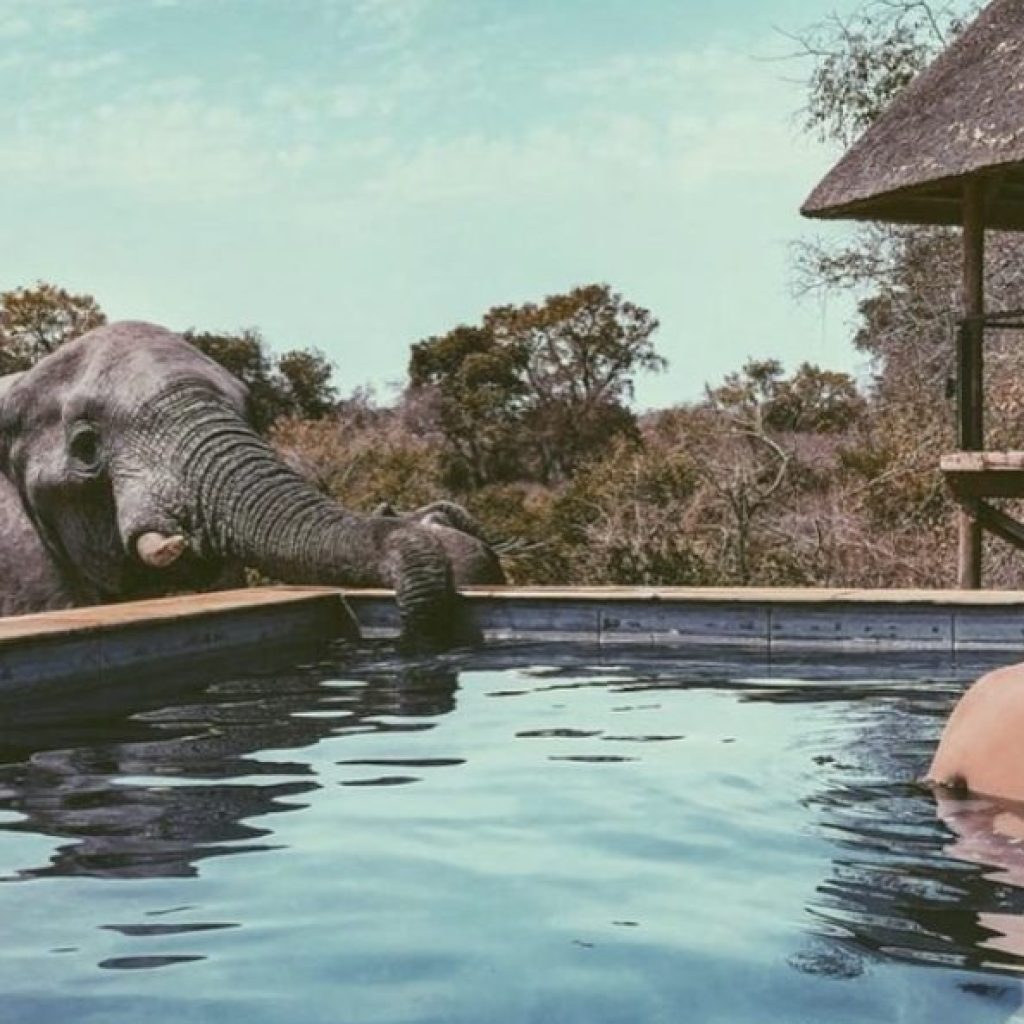
Best months: June-September
Good months: October, November, April
Acceptable months: May, March, February
Challenging: December-January (animals spread out due to abundant water)
Pro Tip: Big Five sightings depend on luck and guide expertise, not just season. A skilled guide in March can yield better results than an inexperienced guide in August.
Malaria exists year-round in Kruger but is highest December-April (rainy season). Always:
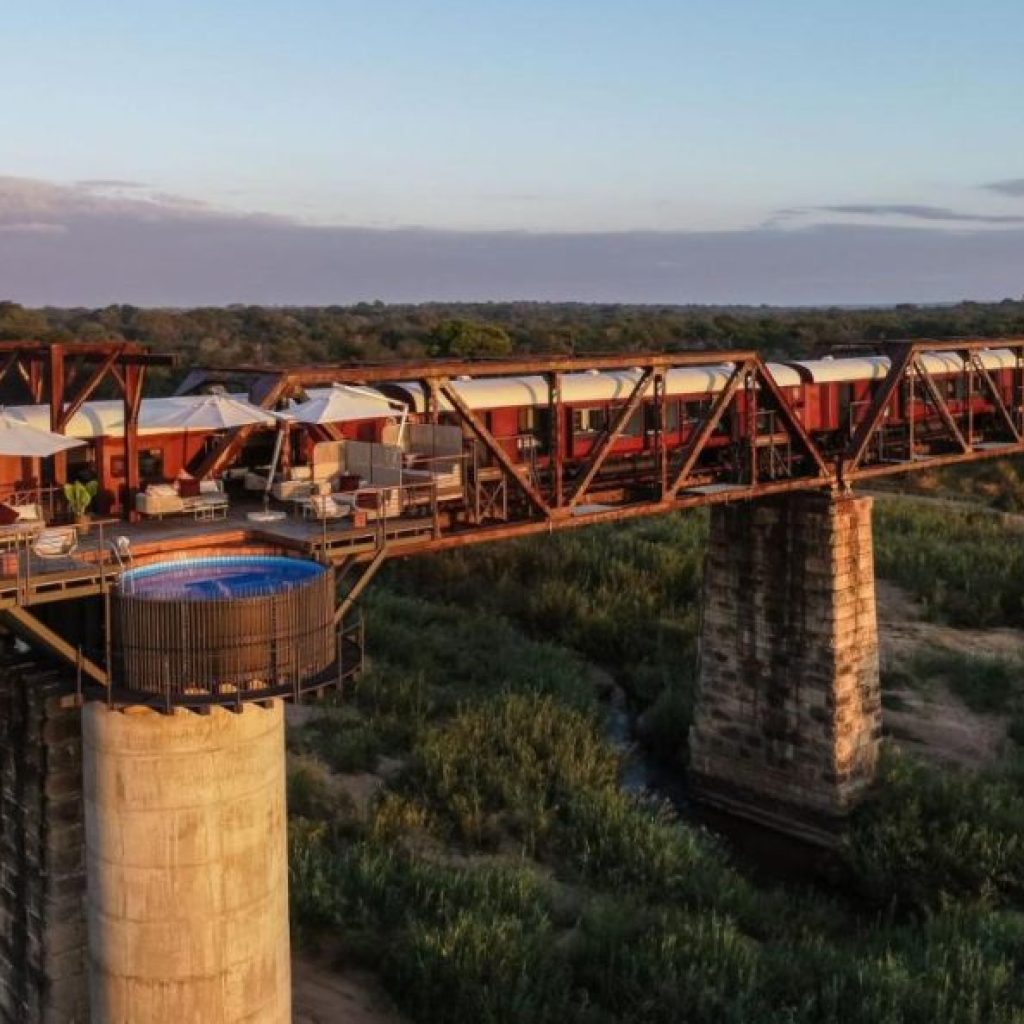
Occasionally, Kruger offers accommodations for every budget:
Nor, Book through Reservations Africa to access exclusive rates on luxury properties and convenient booking for all Kruger accommodations.
Essentials:
Early morning drives (5:30 AM start) offer best wildlife activity and photography light
Afternoon drives (4:00 PM start) catch animals returning to water sources
Stay quiet and let wildlife approach. Shouting or loud music scares animals away
Bring binoculars to spot distant animals and enjoy birdwatching
Go with an experienced guide who knows animal behavior and hidden spots
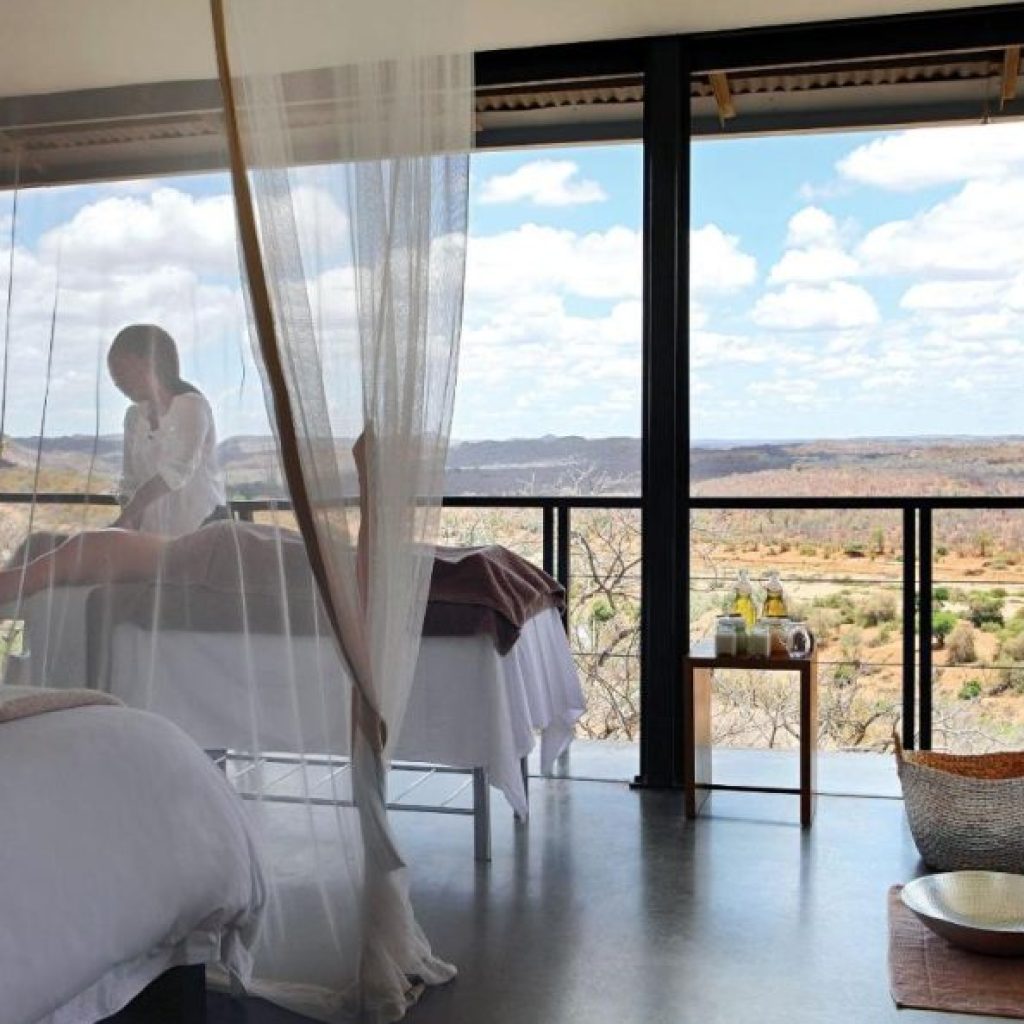
For First-Time Visitors: Visit June-July for reliability, understanding that it’s busier and pricier. The high probability of wildlife sightings makes it worthwhile.
For Photographers: October-November offers dramatic skies, golden light, and fewer tourists. Green season (February-March) provides lush landscapes and stunning contrast.
For Budget Travelers: Visit December-April for 40-50% savings, fewer crowds, and unique landscape beauty. Bring flexibility for afternoon rain.
For Birdwatchers: October-November is magical with migratory species, or visit February-March for lush green settings and great sightings.
For a Quiet Experience: March-April or October offer moderate crowds with good conditions—the sweet spot.
Ready to experience Kruger National Park? The best time to book is 3-4 months in advance, especially for peak season. This ensures:
Contact Reservations Africa today to design your perfect Kruger getaway:
Obviously, our travel experts understand Kruger’s seasons intimately and can match you with the perfect accommodation, guide, and itinerary for your chosen timeframe and budget.
Finally, there’s no single “best time” to visit Kruger, it depends on your priorities. Seeking the Big Five? Go in July. Want to save money? Visit in March. Love photography and drama? Choose September or November. Prefer solitude and nature’s full spectrum? December-January rewards the adventurous.
One certainty: Kruger National Park is remarkable year-round. Whether you experience it under a cool, star-filled June sky or a dramatic February thunderstorm, you’ll create memories that last a lifetime.
Your perfect Kruger adventure awaits. Start planning today.
Have you visited Kruger National Park? Share your favorite time to visit in the comments below. For personalized travel recommendations and exclusive accommodation deals, contact Reservations Africa, your gateway to unforgettable African journeys.